

Highlights that come back
A few passages you marked return days, then weeks later, for a second look. No streaks, nothing to keep up.
Adaptive reading
NeuroLens transforms dense paragraphs into effortless visual rhythms tailored for your brain.
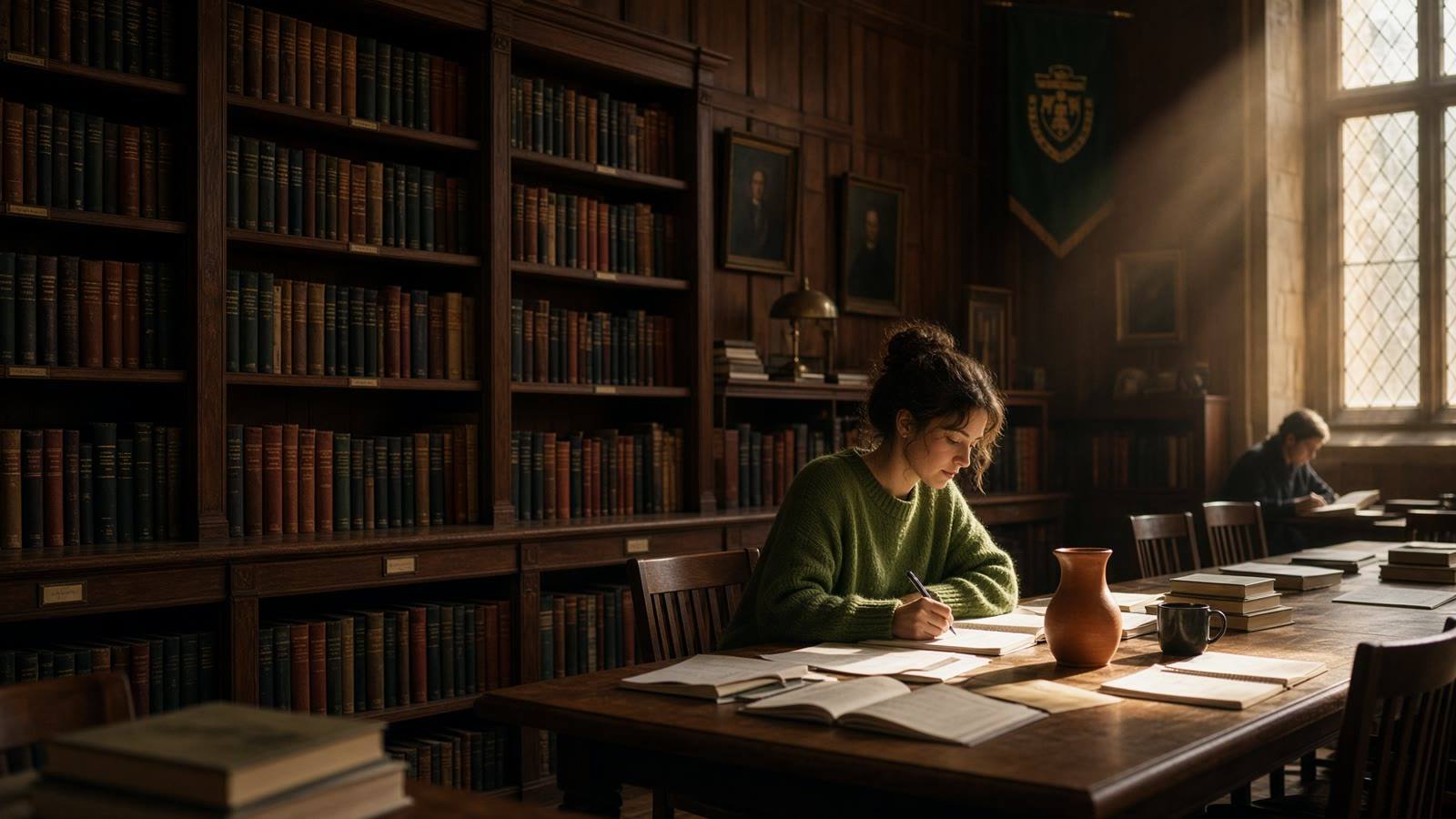
Built for the way attention actually works.
7
Reading modes
12
Colour palettes
Books, highlights and the reading settings you have tuned are kept in your account, so the page you left off on is waiting wherever you next open NeuroLens.
Free, with Google. What is stored
Designed for attention

01
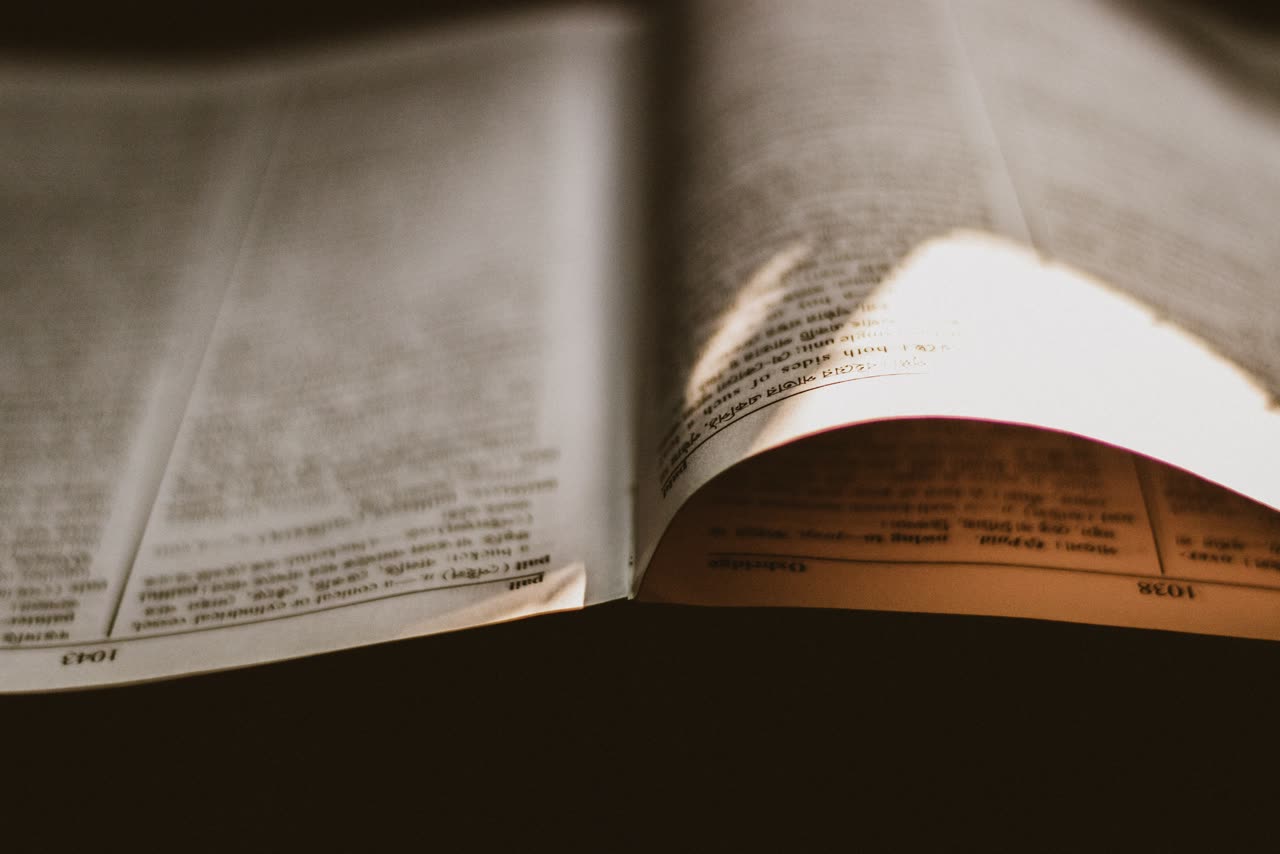
Emphasis, spacing, type, and contrast that make dense pages easier to enter.
02
Visual anchors that keep your eyes on the line without losing the thread.

03
Paste text, open a PDF, look up a Bible chapter, or read a poem.
Wherever you read
Academic mode sets a steady serif page for long, dense chapters, with a quick recall at the end of each.
Turn pages like an e-reader, or scroll. Your place is kept either way.
A reading band holds your place, so looking away does not cost you the paragraph.
Dark palettes, larger type, and Neuro kept still while you read.
Classics, the Bible, poetry, your own PDFs, EPUBs and documents, and your Kindle highlights.
Neural reading patterns
A line held in the reading band is a fixation. The next line is a saccade. A jump, a return, or a long pause names the sitting — without a camera, and without asking you to click.
How the eye moves
On the line
Time on successive lines, then a small forward move. That is the usual reading rhythm.
Fixation + forward saccade. A line held in the reading band, then the next line. No click required. This is the sitting to keep. Leave the page as it is.
A few passages you marked return days, then weeks later, for a second look. No streaks, nothing to keep up.
Each book is a plant. Finishing chapters helps it grow, and nothing ever wilts.
A question or two at the end of a chapter. Nothing to fail.
Turn pages like an e-reader, or scroll. Your choice.
Hear the page in your device's voice as you follow along.
A plain definition, without leaving the page.
Import My Clippings; your marks land on the right lines.
Books you have opened stay on your device.
How it lands
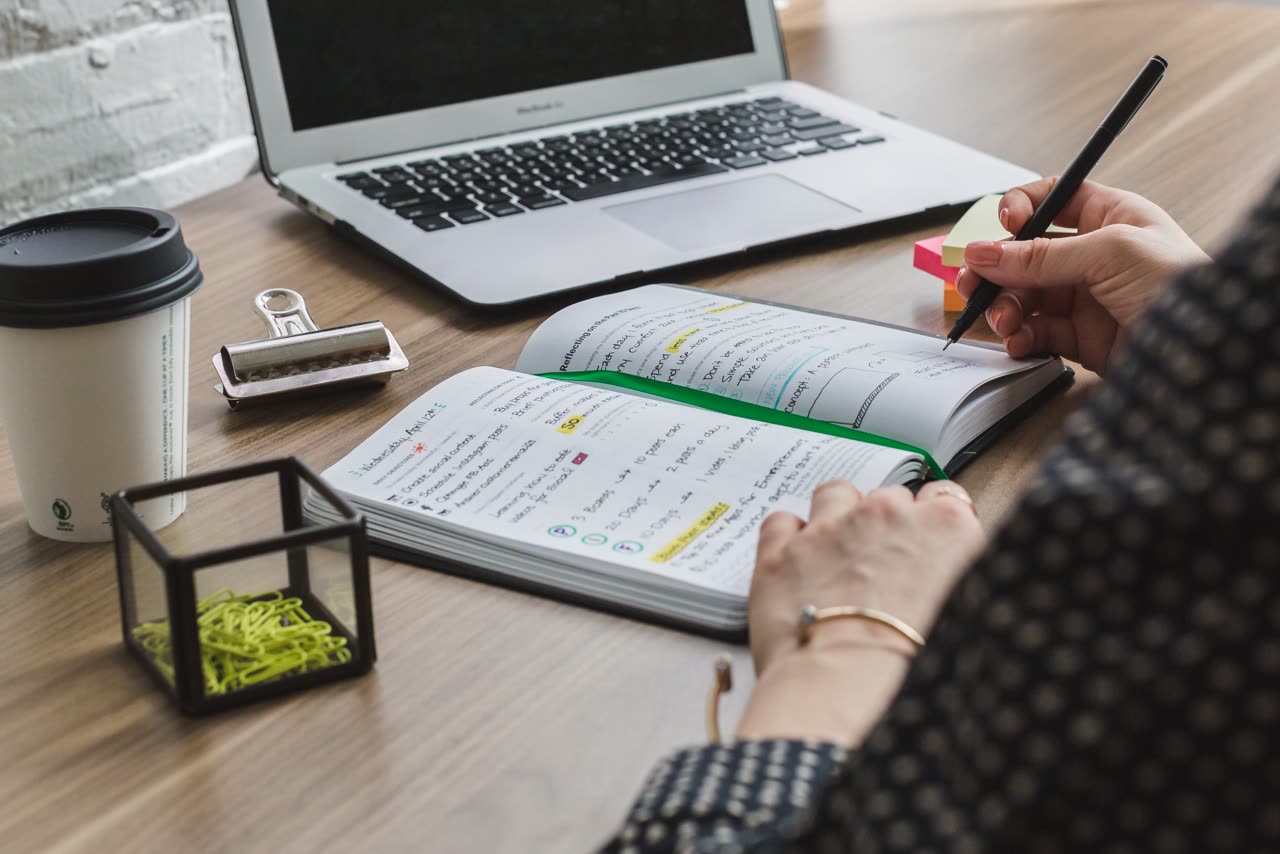
Graduate student
A calmer layout is meant to make intimidating research blocks approachable in shorter sessions.
Try it
Product team
Shared documents are easier to scan when a decision has to move.
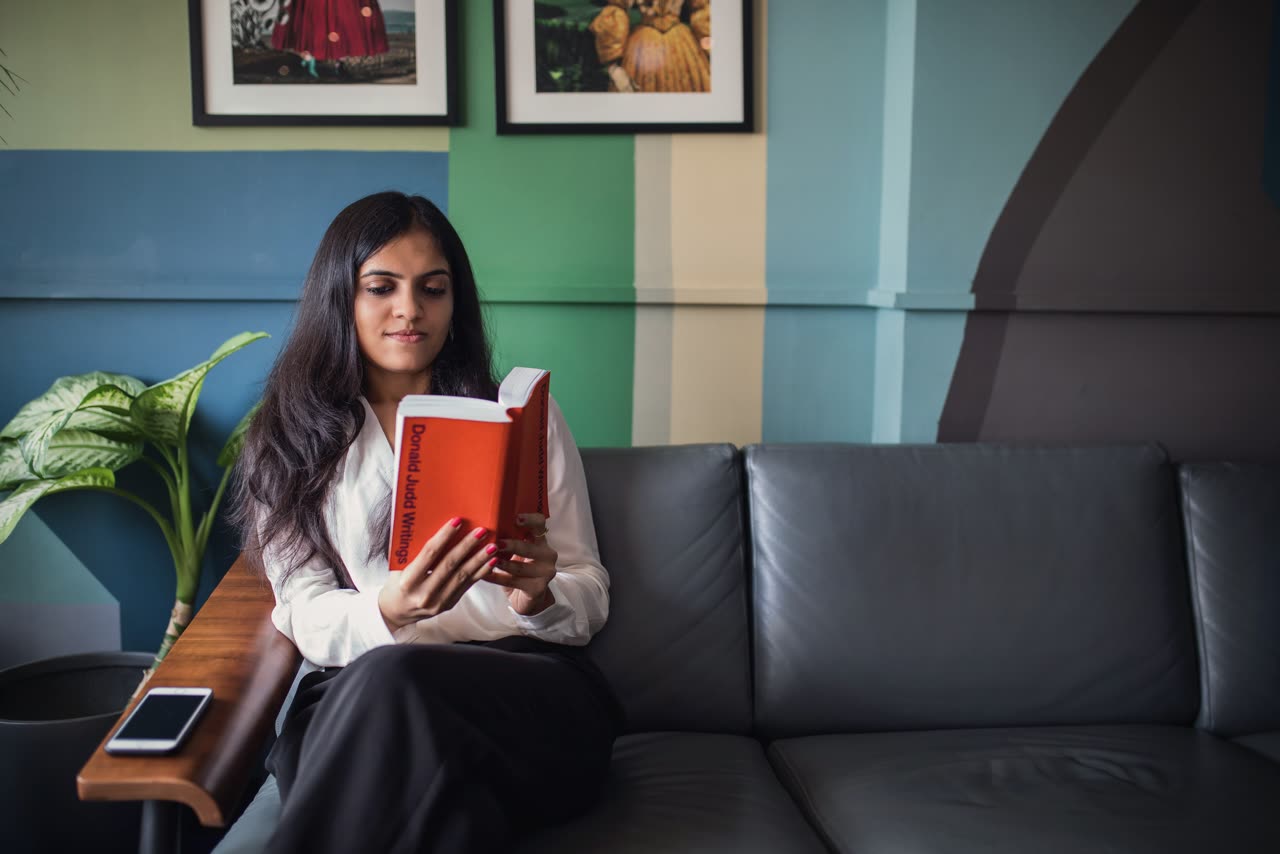
Daily reader
A personalized rhythm helps you keep going when attention is thin.


Bring a passage, choose a profile, and see what changes when reading is shaped around your attention.
Open the reader